Featured

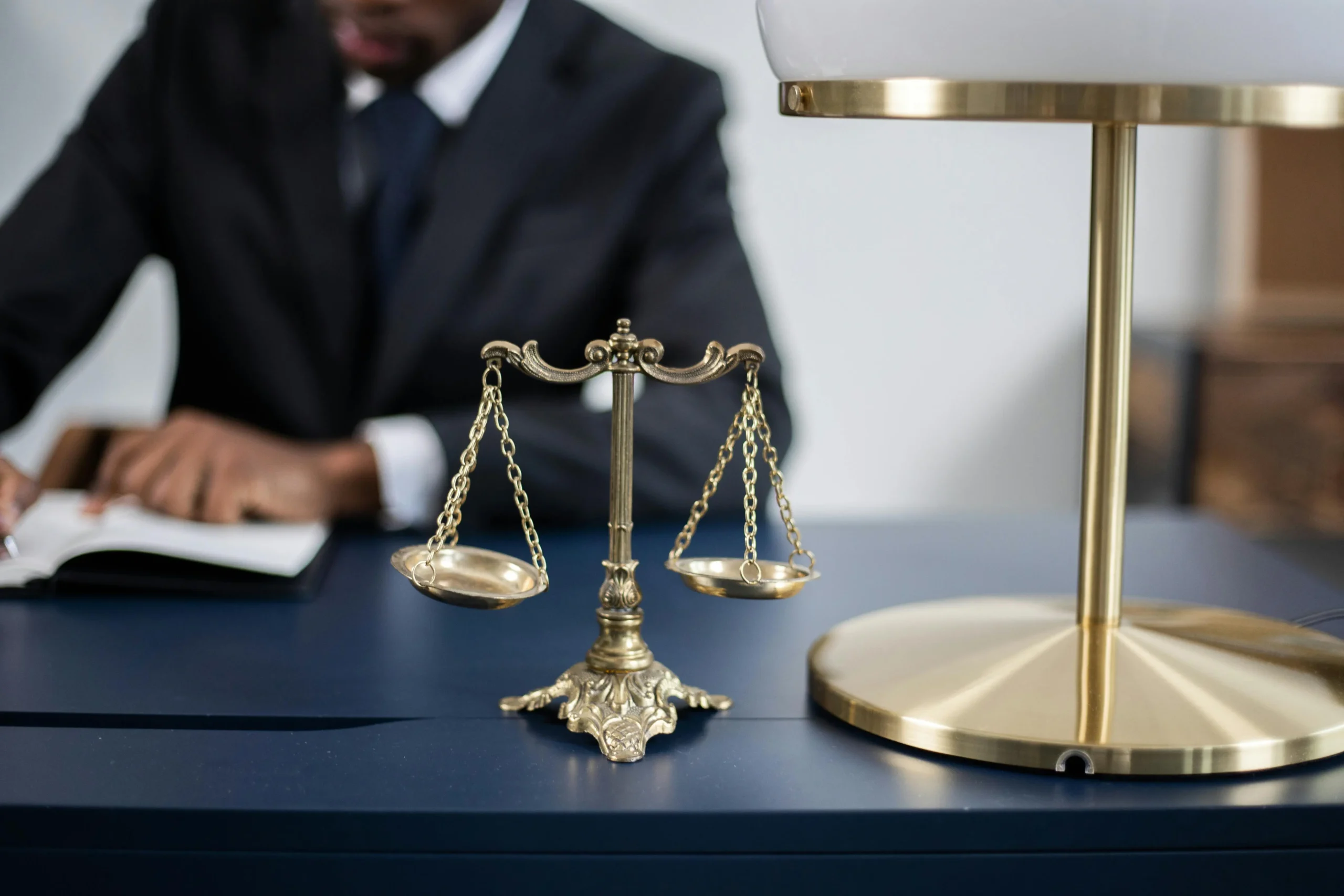
Scripted Justice: How Language Shapes Guilt and Innocence in the Courtroom

Courtrooms are often imagined as places where facts determine the truth and justice emerges through objective reasoning. However, psychological research suggests that legal outcomes are not shaped by evidence alone. The language used by prosecutors, defense attorneys, judges, and the media can strongly influence how jurors interpret events, evaluate credibility, and assign guilt. In many cases, courtroom narratives are constructed through linguistic framing rather than neutral descriptions of reality. Language

Read More...

Psychopathy, Sociopathy, and Media Myths

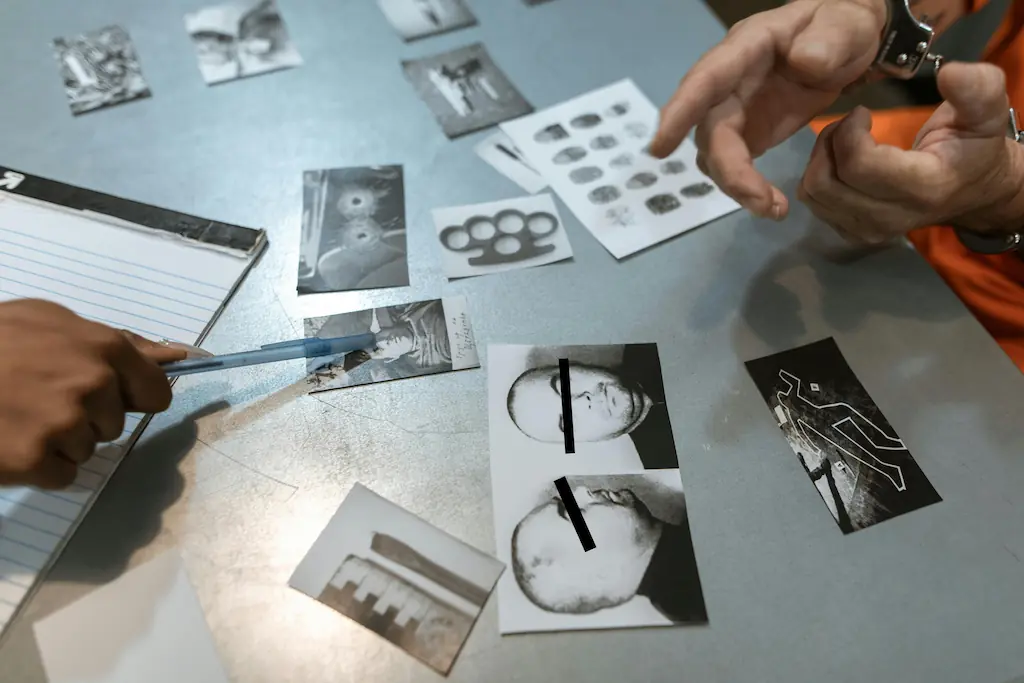
Psychopathy is one of the most widely discussed concepts in forensic psychology. Movies, television shows, and popular media often portray psychopaths as cold, calculating killers who lack any emotion or empathy. However, psychological research shows that the reality is much more complex. Misunderstandings about psychopathy can influence how society views individuals with personality disorders and can even affect legal decisions and mental health treatment. Understanding what psychopathy actually means and how it differs from sociopathy is therefore

Read More...

Introduction

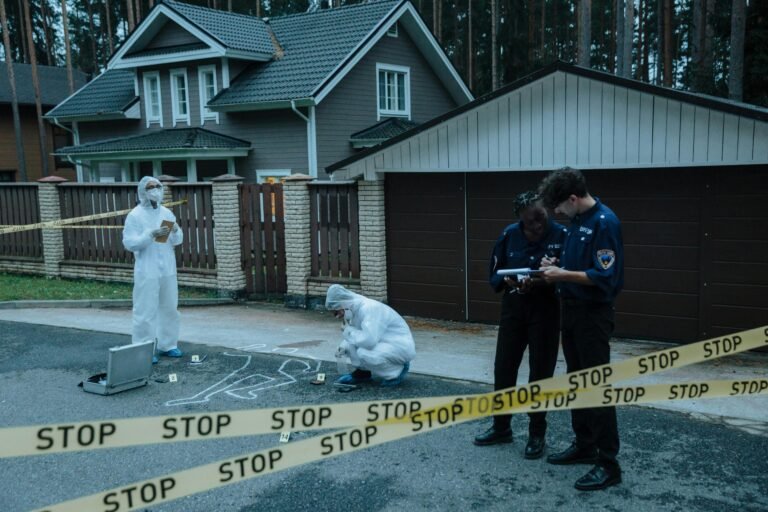
Crime, Mind & Method explores the psychological science behind criminal behavior, decision-making, and the legal system. This site serves as a space to reflect on research in forensic psychology, cognitive science, and law. The articles aim to translate academic ideas into accessible discussions about how psychological processes influence crime investigations, legal judgments, and moral reasoning.

Categories

Forensic Psychology

Forensic Psychology

pexels-ekaterina-bolovtsova-6077861 (1)

Law & Decision Making

Research Reflections